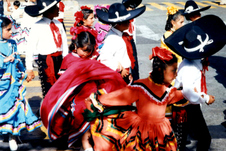
 Young dancers Young dancers
Young dancers crossing a street in downtown Mexico City.
| 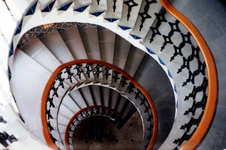 Stairwell Stairwell
Stairwell in the Maria Christina Hotel in Mexico City.
| 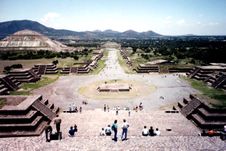 Teotihuacan Teotihuacan
Looking down the Avenue of the Dead from the Pyramid of the Moon. The ancient city of Teotihuacan is an hour bus ride from Mexico City.
| 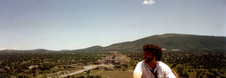 Teotihuacan Teotihuacan
Construction of the Pyramid of the Sun began in 100 AD. The city of Teotihuacan reached its zenith in 500 AD with a population of 200,000. By 700 AD it was abandoned.
|
 Summer Solistice Summer Solistice
We arrived on the summer solistice - a day of celebration at Teotihaucan. The Pyramid of the Sun is the third largest pyramid in the world.
| 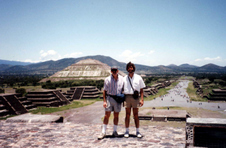 Atop the Pyramid of the Moon Atop the Pyramid of the Moon
The Pyramid of the Sun can be seen in the background. Teotihaucan means "place where gods were born" reflecting the Aztec belief that the universe was created here.
| 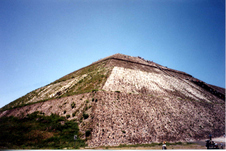 Pyramid of the Sun Pyramid of the Sun
At 210 feet high, the Pyramid of the Sun is only half as high as the great pyramid at Cheops.
| 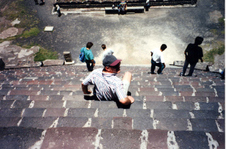 The best way down The best way down
The best way down these pyramids is often accomplished on your butt - as Ross demonstrates here.
|
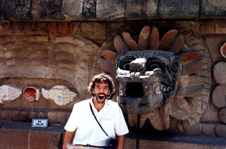 Imitation Imitation
| 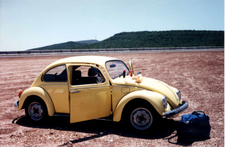 Volkswagen Bug Volkswagen Bug
"The" rental car throughout Mexico at the time. On its hood is spread our essential travel meal - peanut butter, jam and bread.
| 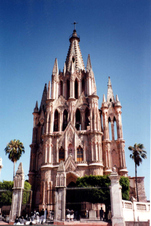 San Miguel de Allende San Miguel de Allende
La Parroquia church was reconstructed in the 19th century in the gothic style.
|  San Miguel de Allende building profile San Miguel de Allende building profile
|
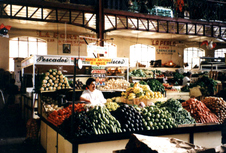 Market in Guanajuato Market in Guanajuato
Guanajuato was one of the richest cities in the world in the 19th century. It had the third largest silver mine in the world.
| 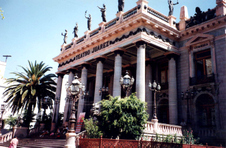 Teatro Juarez Teatro Juarez
Built in 1903, it is often the site of performances during the annual Cervantes Festival.
| 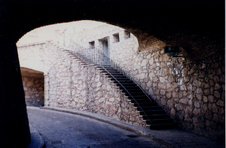 Underground roadways Underground roadways
These roadways once served as viaducts for the nearby Rio Gaunajuato. Today they serve as a subterranean nightmare for inattentive drivers.
| 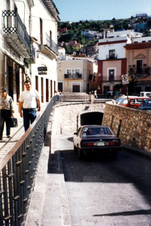 Gaunajuato raodway Gaunajuato raodway
At any moment, a street will plunge underground only to emerge several blocks later - completely baffling any unsuspecting drivers.
|
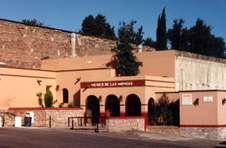 Museo de Los Momias Museo de Los Momias
The Mummy Museum exhibits some of the remains of the city's former citizens. It is not for the faint-hearted.
| 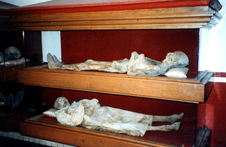 Mummy exhibit Mummy exhibit
The dryness of the soil plus the natural gases and minerals present in the soil halted the decomposition of the corpses.
| 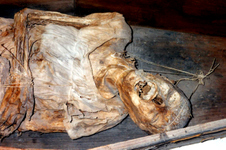 Agony Agony
Bodies were buried for only 5 years. If relatives could not pay the cemetery fee, the bodies were exhumed to make room for others. These bodies are from 1865 to 1985.
| 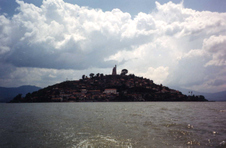 Island of Janitzio Island of Janitzio
The island of Janitzio - outside the city of Morelia - is famous for its Day of the Dead celebration.
|
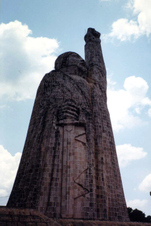 Statue of Jose Maria Morelos Statue of Jose Maria Morelos
Statue atop Janitzio's hill.
| 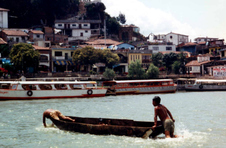 Boys of Janitzio Boys of Janitzio
| 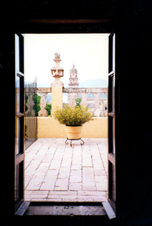 View of Morelia's Cathedral View of Morelia's Cathedral
Begun in 1640, the cathedral took 104 years to build. This view is from our room in the Hotel Cathedral.
| 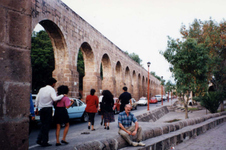 Morelia aqueduct Morelia aqueduct
|
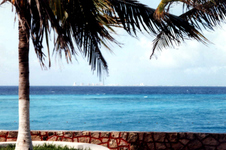 Isla Mujere's view Isla Mujere's view
View from Isla Mujere's of Cancun.
| 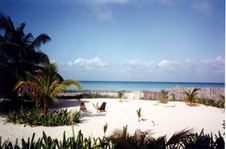 Isla Mujere's View Isla Mujere's View
View of the north beach from our hotel on Isla Mujeres.
| 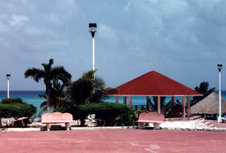 Isla Mujeres Isla Mujeres
The island is just 5 miles long and 2 1/2 miles wide.
| 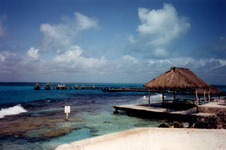 El Garrafon El Garrafon
El Garrafon is an underwater national park at the south end of Isla Mujeres.
|
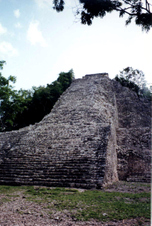 El Castillo, Coba El Castillo, Coba
The ancient city of Coba flourished between 632 AD and 800 AD. El Castillo is the tallest pyramid in the Yucatan. Much of the 42-mile site remains unexcavated.
| 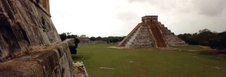 Chichen Itza Chichen Itza
Chichen Itza dates from between 600 AD to 900 AD. The site occupies 4 square miles.
| 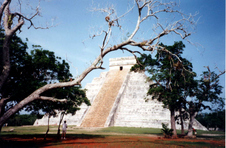 El Castillo, Chichen Itza El Castillo, Chichen Itza
El Castillo (or the Pyramid of Kukulkan) is an architectural embodiment of the Mayan calender. For example, there are 364 stairs and one platform to equal the 365 days of the year.
| 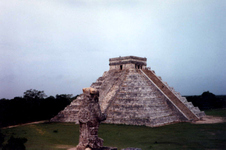 El Castillo El Castillo
On the fall and spring equinoxes, the stairways of this 75-foot tall building come alive with a serpent shadow.
|
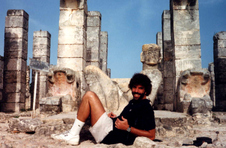 Temple of the Warriors Temple of the Warriors
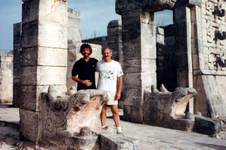
Statue of Chac-Mool - the rain god - and imitator.
|  Temple of the Warriors Temple of the Warriors
Named for the carvings of warriors along its walls...and for the two travel warriors photographed here. (It's also called the Temple of the Thousand Columns after its numerous broken columns.)
| 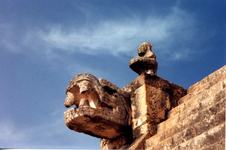 Chichen Itza detail Chichen Itza detail
| 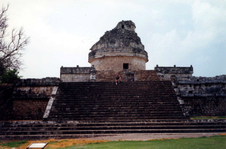 Observatory (El Caracol) Observatory (El Caracol)
|
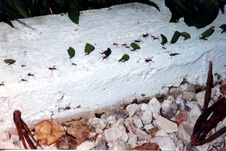 Leaf-cutter ants Leaf-cutter ants
| |
