This album contains all of the animals we saw on our first 2-hour game drive, although some of the photos were actually taken on subsequent Zulu Nyala drives. To keep things organized, I decided to group the photos by species, regardless of when the pictures were taken. NOTE: The quality of the videos will be somewhat better if you click the "download" link under each thumbnail, but it's quicker to just click the thumbnail itself.
Saturday, November 5Showing 1-125 of 125183 visitsAlbum by TerryPhotos by Terry
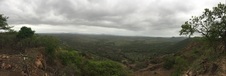
1 property panorama
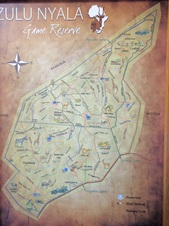
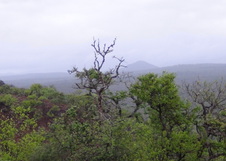
2 The Zulu Nyala game reserve is about 3,000 acres.
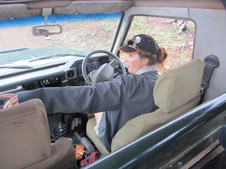
3 Janine, our designated ranger, was awesome: personable, accommodating, and a great driver.
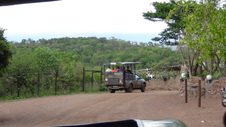
4 The vehicles were open air 9-seaters. There were several of them roaming around the property at any given time, but actually we rarely encountered any other vehicles.
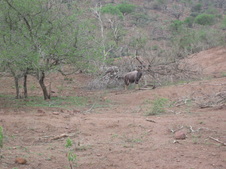
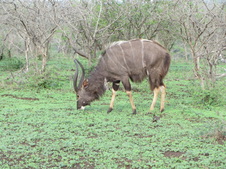
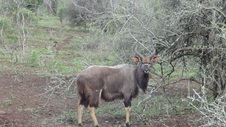
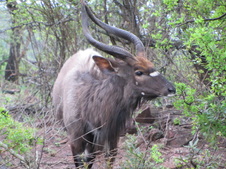
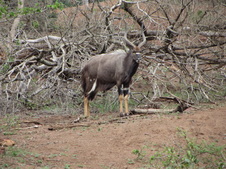
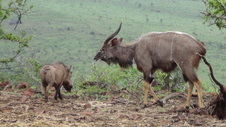
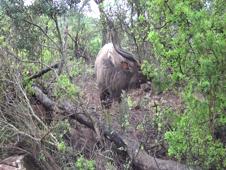
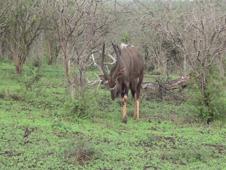
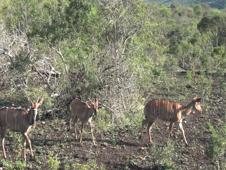
5 Within seconds of starting out on our very first drive, we spotted nyala, the antelope that our game reserve was named for.
6 The males are so distinctive, with their shaggy coat, "bird dropping" stripes down their sides, spots on the face, and yellow "socks."
7 nyala
8 nyala
9 nyala
10 nyala (and warthog)
11 Nyala video
12 nyala video
13 Female nyala video
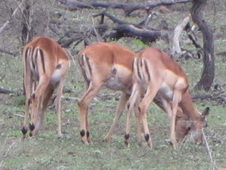
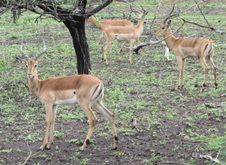
14 As we were looking at the nyala, we became aware of impala, too.
15 Impala are called the "McDonalds of the bush," largely because they are like Fast Food, found on almost every corner, but also because their black backside markings look like the golden arches.
16 For the rest of the week, we seldom went more than 10 minutes without seeing impala.
17 A popular dinner choice for predators, including humans.
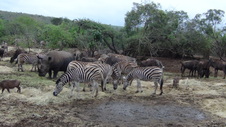
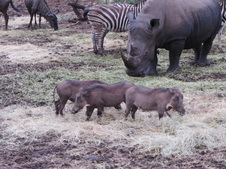
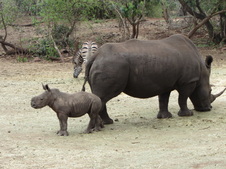
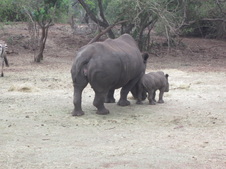
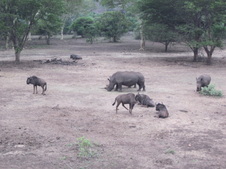
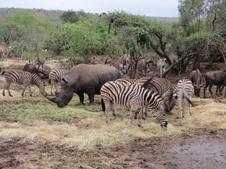
18 Just a couple minutes further was the first watering hole, where white rhino, zebra, and warthog were grazing.
19 Everyone appreciated the hay, which was put down because after 3 years of severe drought, there was insufficient vegetation to sustain the animals.
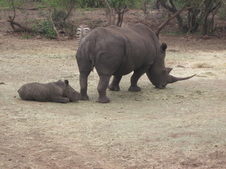
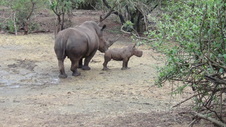
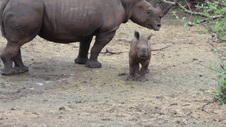
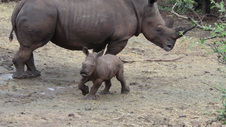
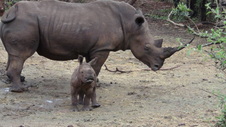
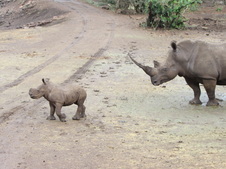
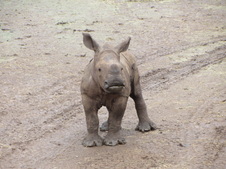
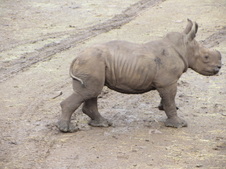
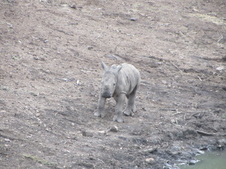
20 Adorable baby white rhino
21 White rhino calf
22 He had an engaging personality!
23 How can something so ugly be so daggone cute?
24 Very alert and observant
25
26 And confident!
27
28
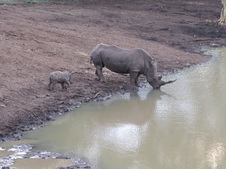
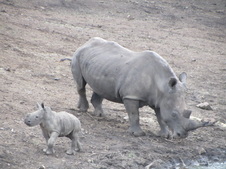
29
30 We saw mama and baby a couple of days later down at one of the watering holes.
31
32 Those feet!
33 Much of the first couple of days were cool and overcast, which actually was a good thing, as the animals were more active.
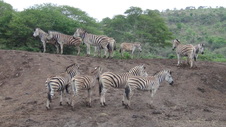
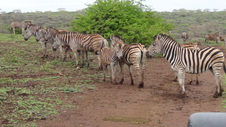
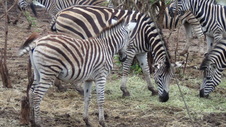
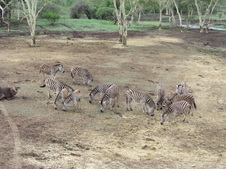
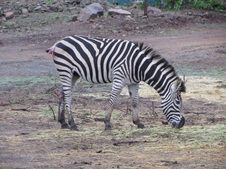
34 Zebra were everywhere.
35 These are plains zebras, distinctive for the brown stripes in between the black stripes.
36
37
38 One poor fellow recently had his tail bitten off by another zebra. Apparently zebras do that when they are fighting.
39
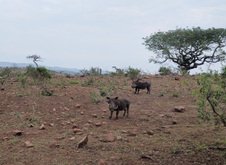
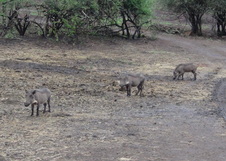
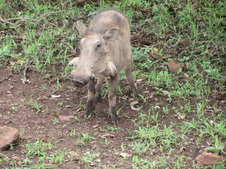
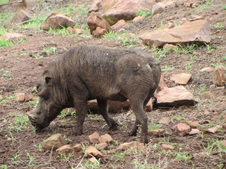
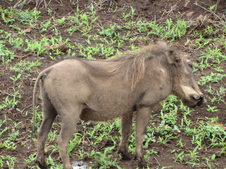
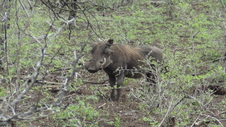
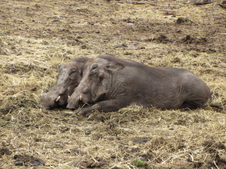
40 Warthogs were everywhere!
41
42
43
44
45
46
47 At the spots where they've been having to put out hay because of the drought, the animals frequently congregate without worry about other species.
48
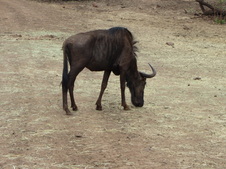
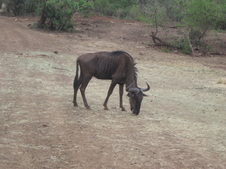
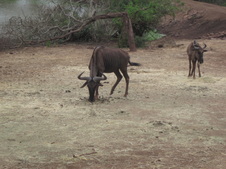
49 Wildebeest!
50
51
52
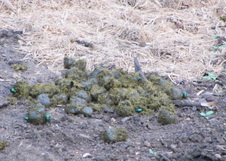
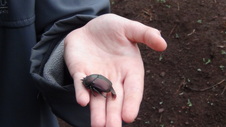
53 I had no idea dung beetles were so beautiful!
54 Even the plain varieties are fascinating in their obsessive instinctual activity.
55 Video of a busy dung beetle and his lady.
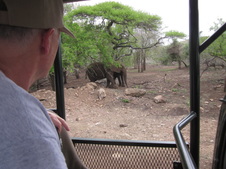
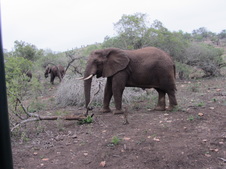
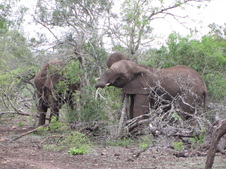
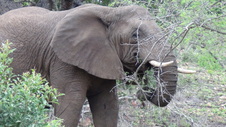
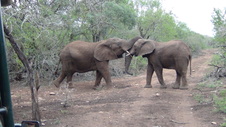
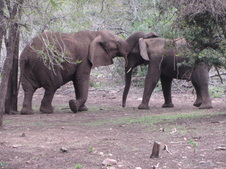
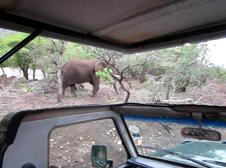
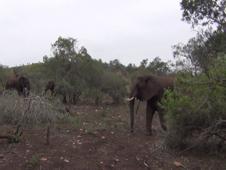
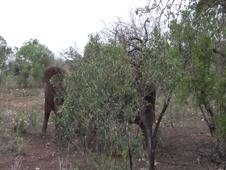
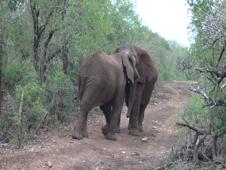
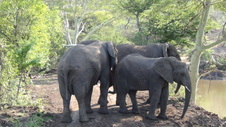
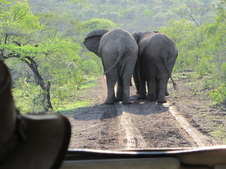
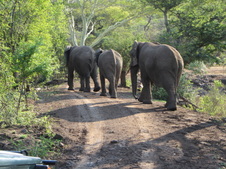
56 Then suddenly, there were elephants!
57 So by the time we were just 30 minutes into our first game drive, we had seen nyala, impala, white rhino, zebra, warthog, Wildebeest, and elephants. Oh, yes, can't forget the dung beetles.
58 Zulu Nyala has just 3 elephants.
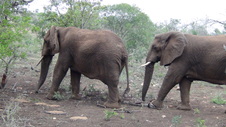
59 Elephants being quite destructive to vegetation, it takes about 1000 acres to sustain a single elephant.
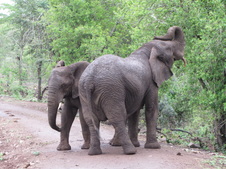
60 Throughout the week, we ran into these same 3 girls almost every day.
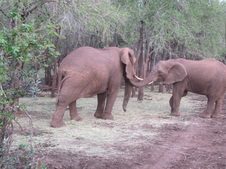
61 They were always together.
62 These are the sister and daughter of the oldest, biggest elephant.
63 They played together frequently.
64 I've grouped these photos by species for simplicity's sake, but they were actually taken on different days.
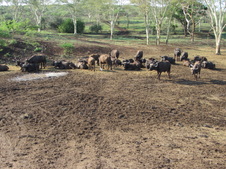
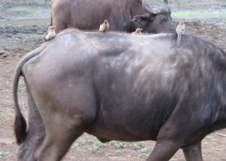
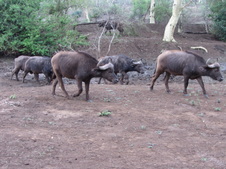
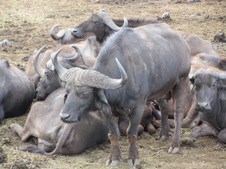
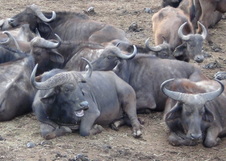
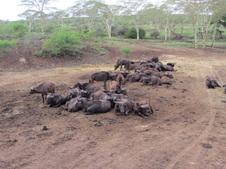
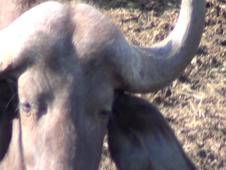
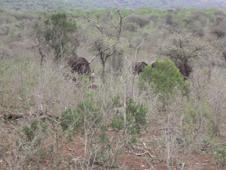
78 They spend a lot of time lying down, chewing their cud.
79 Strange to think that these lazy-looking beasts are considered one of Africa's "Big Five" game animals (along with lion, leopard, elephant, and rhino). The Big Five are the animals most difficult to hunt because of their ferocity when cornered and shot at.
80 Different day, different location, same apparent indolence.
81
82
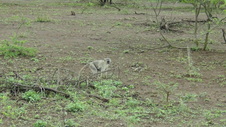
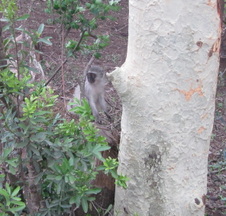
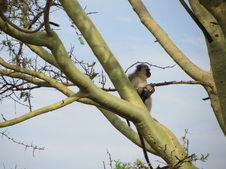
83 Vervet monkeys aren't easy to spot as your vehicle is bouncing along.
84 But they're watching us!
85 Ones running along the ground are easier to spot.
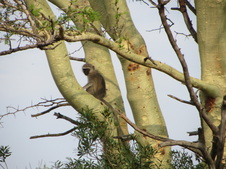
86 But usually they were among the trees and pretty well hidden with their coloring and small size.
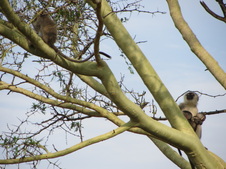
87 When one is spotted, stop and take a good look....
88 ...because there are usually others nearby.
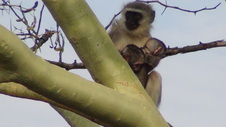
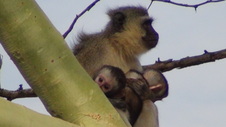
89 We got the special treat of seeing this mama monkey...
90 ... with not just one baby...
91 ... but two adorable tiny newborns.
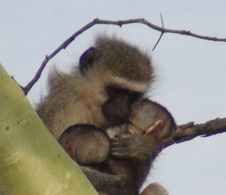
92 Vigilant mama
93
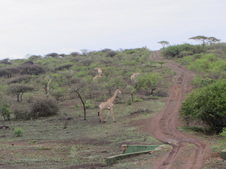
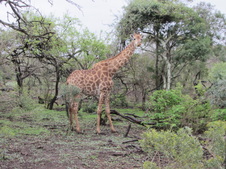
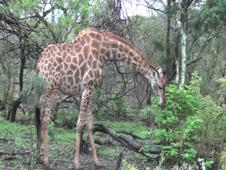
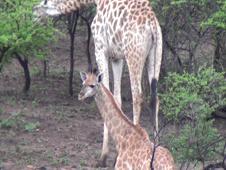
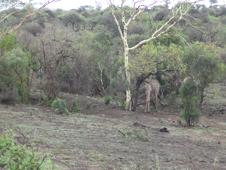
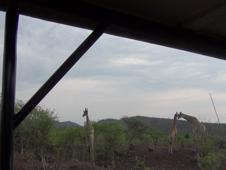
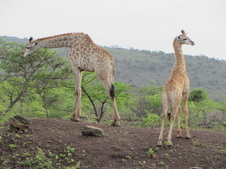
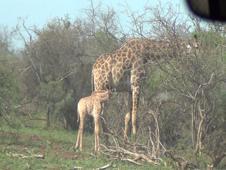
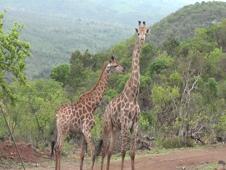
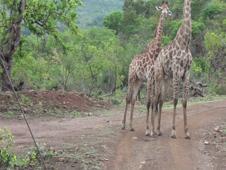
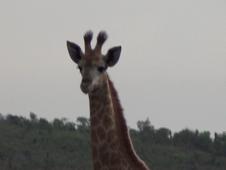
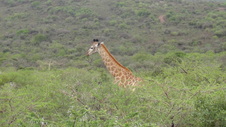
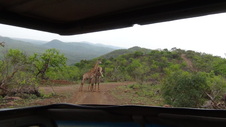
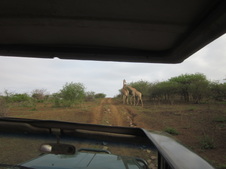
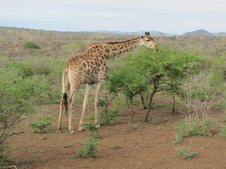
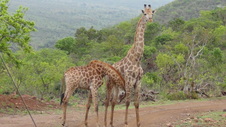
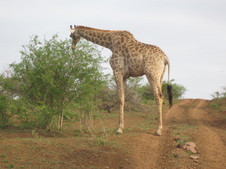
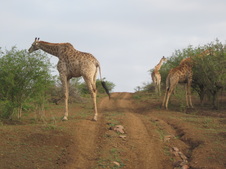
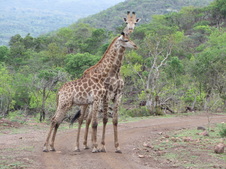
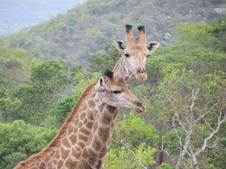
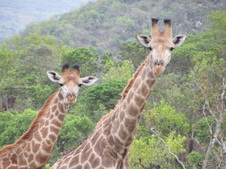
94 I spy giraffe!
95
96
97
98
99
100
101
102
103
104
105
106
107
108
109
110
111
112
113
114
115
116
117
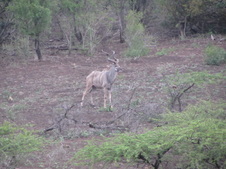
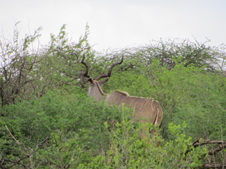
118 The elusive kudu!
119 Similar "bird dropping" stripes on the torso as the nyala, but the kudu is bigger, with more of a shoulder hump, and the horns are curled instead of straight like a nyala's.
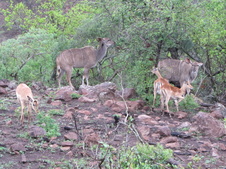
120 Female kudu do not have horns.
121 nyala and impala
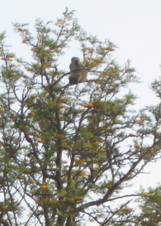
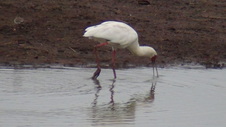
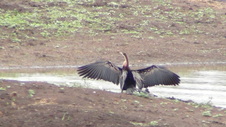
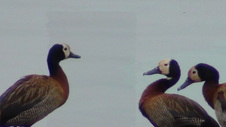
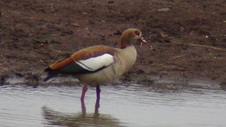
122 On our first drive we also saw lots of birds. We were able to get photos of some of them, and remembered the names of some, but there were so many more that we just couldn't capture. This is the African Spoonbill.